Oral appliance therapy uses a custom-made device, worn like a mouthguard during sleep, that holds the lower jaw slightly forward to help keep the airway open. Clinical guidelines from the American Academy of Sleep Medicine and the American Academy of Dental Sleep Medicine recommend oral appliances for adults with primary snoring and for adults with obstructive sleep apnea who cannot tolerate CPAP or prefer another option.
Sleep apnea is a medical diagnosis. An oral appliance is prescribed after a sleep study and evaluation by a sleep physician, and is then made and adjusted by a qualified dentist.
The short version
- Obstructive sleep apnea accounts for over 80% of sleep-related breathing disorders diagnosed in the U.S., according to the ADA.
- The AASM has estimated that OSA affects at least 25 million U.S. adults.
- Guidelines favor custom, adjustable appliances over over-the-counter devices.
- CPAP is generally more effective at reducing breathing events, but some patients use an oral appliance more consistently.
What obstructive sleep apnea is
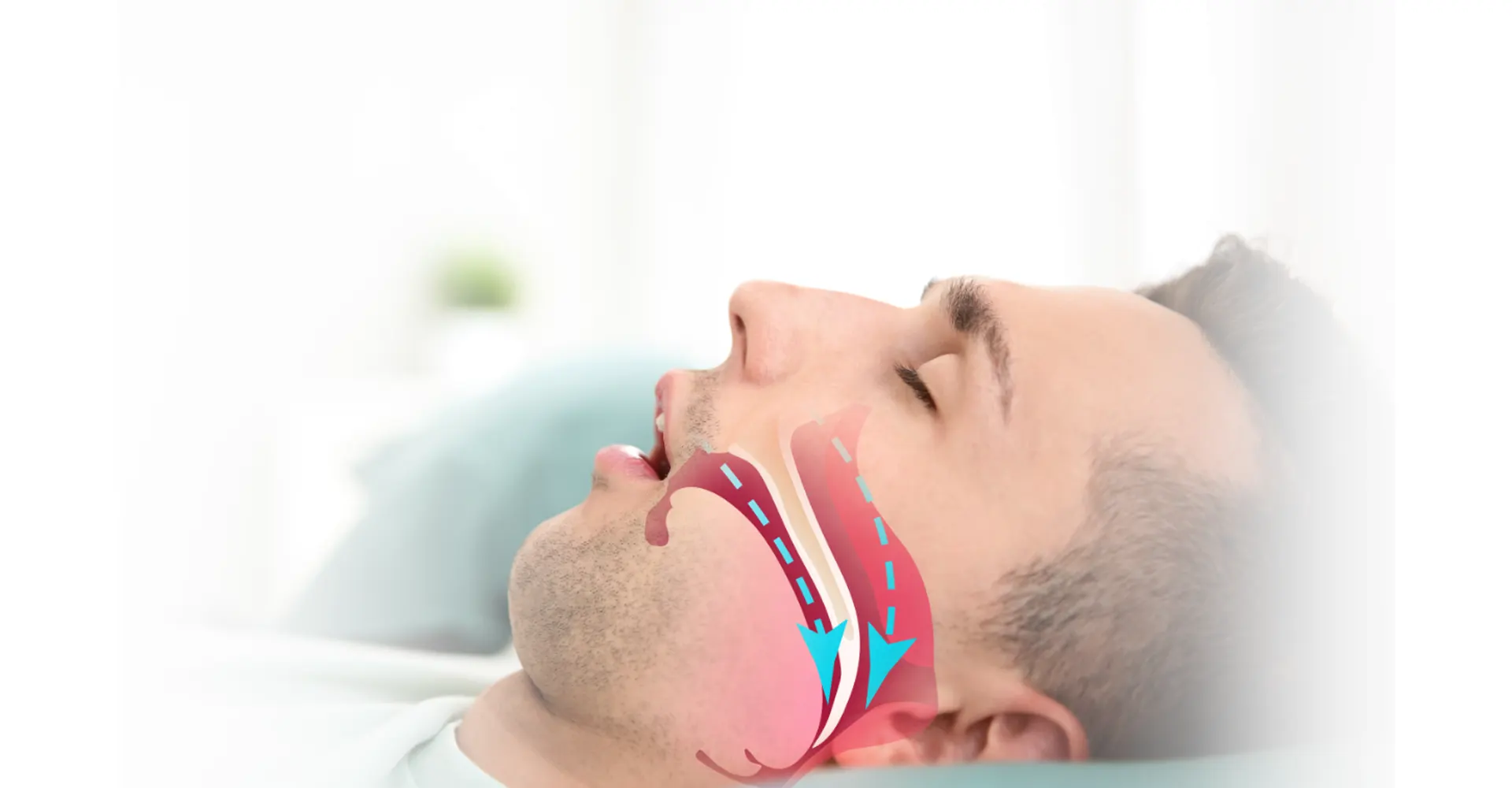
In obstructive sleep apnea, the airway repeatedly narrows or closes during sleep. Breathing pauses, oxygen levels can drop, and the brain briefly wakes the person to reopen the airway, often without them remembering. Common signs include loud snoring, pauses in breathing noticed by a partner, gasping, morning headaches and daytime sleepiness.
How an oral appliance works
A mandibular advancement device fits over the upper and lower teeth and positions the lower jaw slightly forward. This can move the tongue and soft tissues away from the back of the throat. Custom appliances are made from impressions or digital scans of your teeth and can be adjusted gradually.
What the guidelines say
The 2015 AASM and AADSM guideline recommends that sleep physicians:
- Prescribe oral appliances, rather than no therapy, for adults who want treatment for primary snoring.
- Consider oral appliances, rather than no treatment, for adults with obstructive sleep apnea who are intolerant of CPAP or prefer an alternative.
- Have a qualified dentist use a custom, titratable appliance rather than a non-custom device.
- Arrange follow-up sleep testing to confirm the appliance is working.
The same guideline notes that meta-analyses show CPAP is more effective than oral appliances at reducing sleep-disordered breathing, while patients may use oral appliances more consistently.
Who may be a good candidate
- Adults with primary snoring.
- Adults with mild to moderate obstructive sleep apnea.
- People with more severe apnea who cannot use CPAP, after discussion with their sleep physician.
- Patients with enough healthy teeth to hold the appliance.
Possible side effects
Jaw discomfort, tooth tenderness, excess saliva or dry mouth are common early on and often improve. Over time, small changes in the bite can occur, so regular dental follow-up is recommended.
The process at a dental office
- A sleep evaluation and diagnosis by a physician.
- A dental exam to check teeth, gums and jaw joints.
- Impressions or scans to make the custom appliance.
- Fitting and gradual adjustment.
- A follow-up sleep test to check results.
Related reading: mouth breathing and airway health. All Ages Dental Spa offers oral appliance therapy in Tampa; see our sleep apnea therapy page for details.
Frequently asked questions
Do oral appliances for sleep apnea work?
For many adults with mild to moderate obstructive sleep apnea, and for primary snoring, oral appliances can reduce symptoms. CPAP is generally more effective, so follow-up sleep testing is recommended to confirm results.
Do I need a sleep study before getting an oral appliance?
Yes. Sleep apnea should be diagnosed by a physician, usually with a sleep study, before an oral appliance is prescribed.
Are store-bought snoring mouthguards the same?
No. Clinical guidelines favor custom, adjustable appliances made by a qualified dentist over non-custom devices.
Does medical insurance cover oral appliance therapy?
Some medical plans cover oral appliances for diagnosed obstructive sleep apnea. Coverage varies, so check with your insurer.
Snoring or diagnosed with sleep apnea and struggling with CPAP? Ask about oral appliance therapy at All Ages Dental Spa in Tampa.
This article is general information for patients and does not replace an exam or personal medical advice.