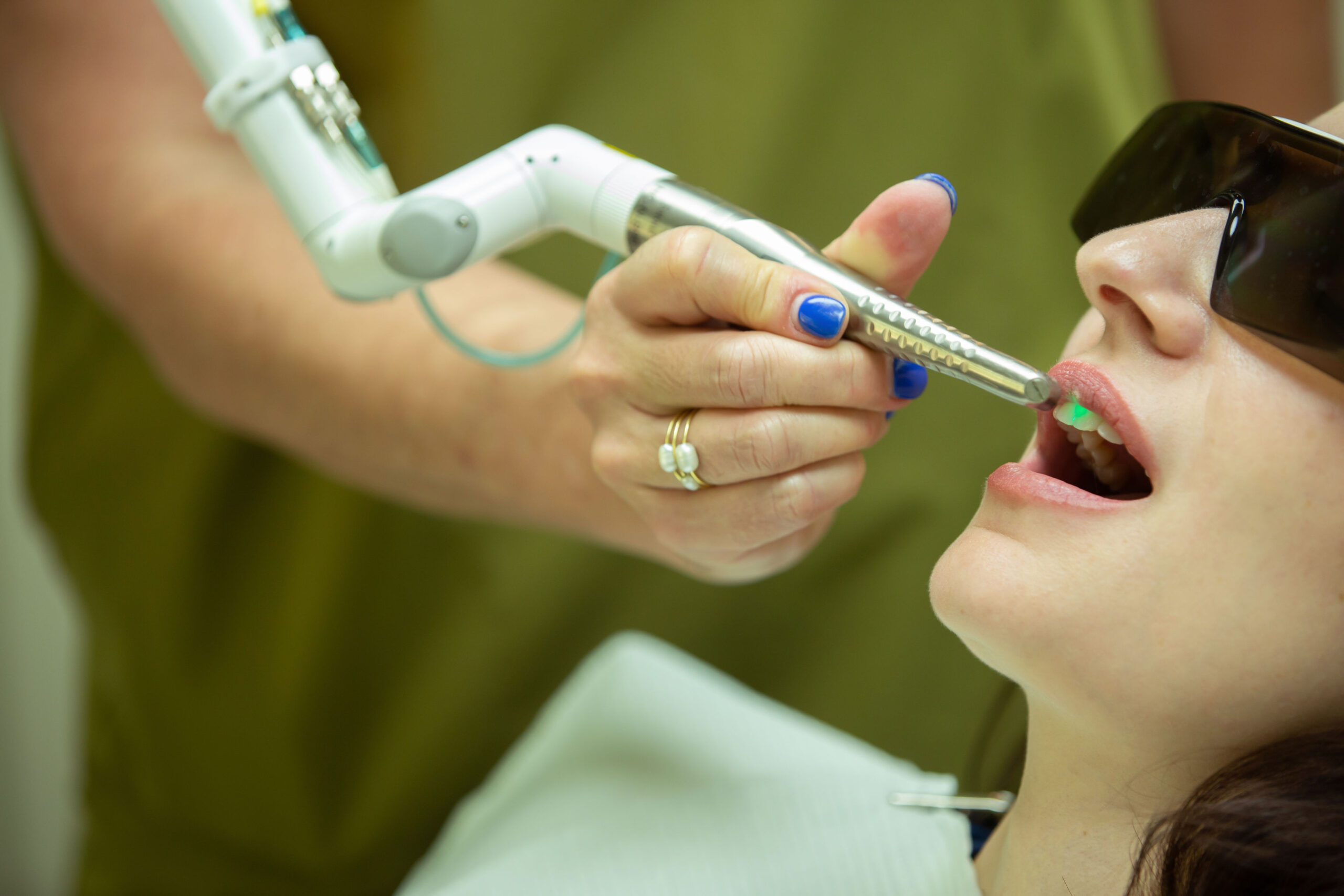
Laser dentistry uses focused light energy to treat soft tissue, such as the gums, and in some cases hard tissue, such as teeth and bone. Depending on the procedure, lasers may mean less bleeding, less need for stitches and, for some patients, a more comfortable experience than traditional instruments. They complement conventional tools rather than replacing them, and each dental laser is cleared by the FDA only for specific uses.
The short version
- Soft tissue lasers are commonly used on gums; erbium lasers can work on both teeth and soft tissue.
- Reported benefits include less bleeding and swelling, fewer stitches and, in some cases, less need for anesthesia.
- Results depend on the procedure, the type of laser and the dentist’s training.
- The ADA has described itself as cautiously optimistic about lasers in dentistry.
How dental lasers work
A dental laser delivers light at a specific wavelength. Different wavelengths are absorbed by different tissues, which is why some lasers suit gums and others can cut tooth enamel. Diode and CO2 lasers are typical soft tissue lasers. Erbium lasers are absorbed by water and hydroxyapatite, the mineral in teeth, so they can be used on hard and soft tissue. The Cleveland Clinic notes that dentists currently use lasers mostly for soft tissue work.
Common uses
Gum treatment
Lasers may be used as an add-on during periodontal therapy to help reduce bacteria in gum pockets and to remove inflamed tissue. See our periodontal disease page.
Soft tissue procedures
Reshaping the gumline, releasing a tight tongue or lip tie, removing small growths and treating some mouth sores.
Fillings and tooth preparation
Some lasers can remove decay and prepare a tooth for a filling. Patients sometimes find it more comfortable than a drill, and some procedures can be done with less anesthetic, though this varies.
Teeth whitening
A laser can be used to activate a professional whitening gel during an in-office session. Read KöR whitening vs. laser whitening to compare options.
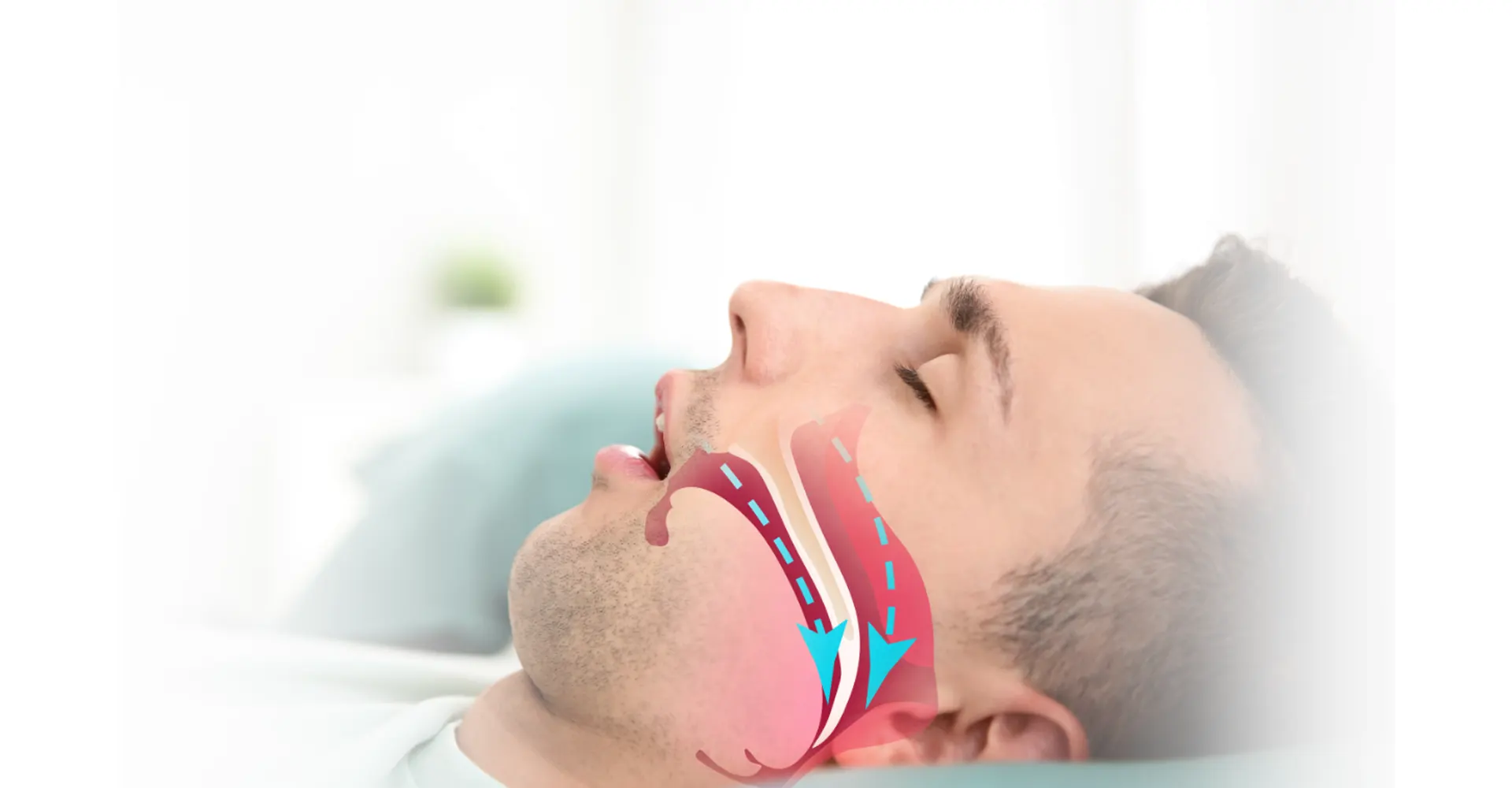
Snoring and airway
Some dentists offer laser treatments intended to tighten tissues at the back of the mouth to reduce snoring. Evidence for these approaches is still developing, and anyone with suspected sleep apnea should have a proper diagnosis first.
Potential benefits
- Less bleeding during soft tissue procedures, since the laser can seal small blood vessels.
- Reduced need for stitches in many minor soft tissue surgeries.
- Possibly faster or more comfortable healing for some procedures.
- Less noise and vibration than a drill, which some anxious patients appreciate.
Limitations to know about
- Lasers are not suitable for every procedure, such as removing some existing fillings or preparing teeth for certain crowns.
- Anesthesia may still be needed.
- Cost and insurance coverage vary.
- Outcomes depend heavily on the type of laser and the clinician’s experience.
Laser dentistry at All Ages Dental Spa
All Ages Dental Spa in Tampa offers laser dentistry as part of its holistic approach. Whether a laser is the right tool depends on the procedure and an evaluation. Learn more on our laser dentistry page.
Frequently asked questions
Is laser dentistry painful?
Many patients describe laser procedures as comfortable, and some soft tissue procedures need less anesthesia. Experiences vary with the procedure and the person.
Is laser dentistry safe?
Dental lasers are FDA-cleared for specific uses. When used by a trained dentist with proper eye protection, they are considered safe for those indications.
Can lasers replace the dental drill?
Not completely. Lasers can handle some tasks traditionally done with a drill, but conventional instruments are still needed for many procedures.
Does insurance cover laser dentistry?
Insurance usually covers the procedure itself, such as a filling or gum treatment, not the specific tool. Check with your plan and ask the office for an estimate.
Curious whether a laser could be used for your treatment? Book a consultation at All Ages Dental Spa in Tampa.
This article is general information for patients and does not replace an exam or personal medical advice.